
Uncategorized
How to Store Whiskey at Home Without Ruining It

Jan
How to Store Whiskey at Home: The Complete Guide to Preservation
Table of Contents
Finding the Perfect Spot: Where to Store Whiskey in Your Home
The Great Debate: Should You Store Whiskey Upright or On Its Side?
Long-Term Storage & Collecting: Tips for Serious Enthusiasts
Whiskey Storage for Different Styles: Bourbon, Scotch & More
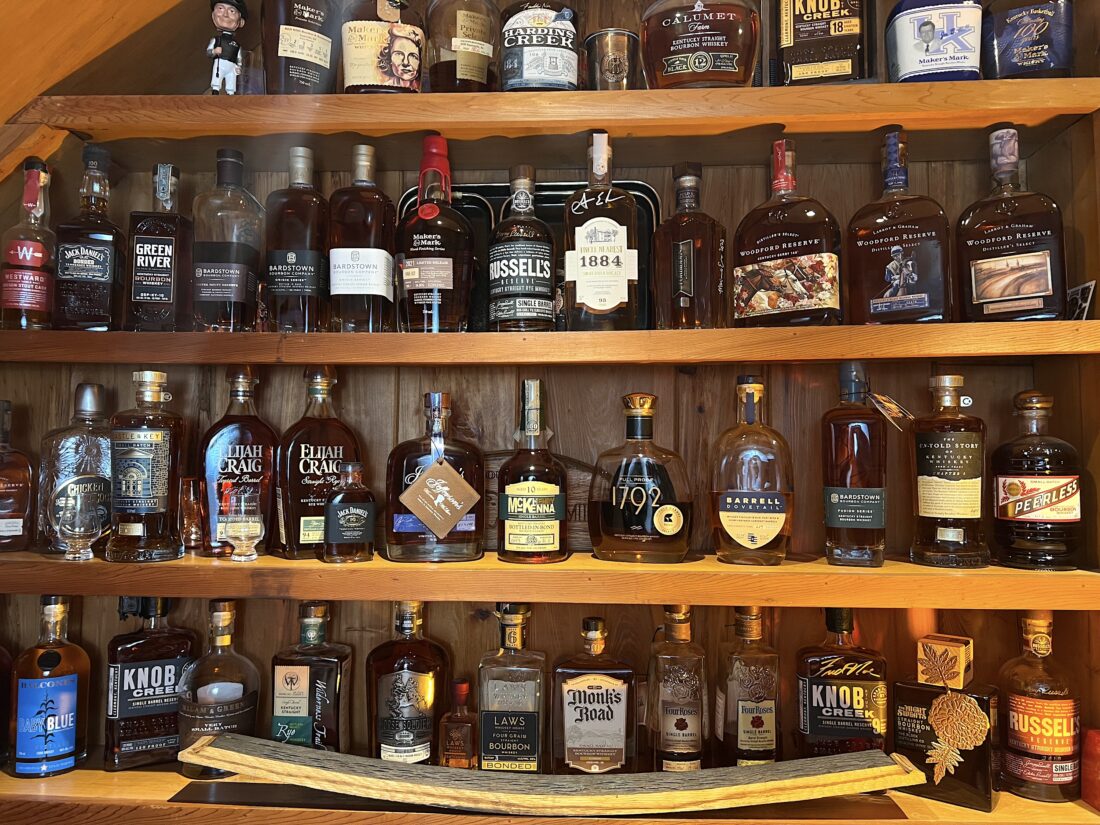
Why Proper Storage Matters: Protecting Your Investment
Whether you’re savoring a cherished limited edition bourbon or enjoying a daily dram of an affordable rare whiskey, how you store whiskey at home directly impacts your enjoyment and your wallet. Unlike wine, whiskey does not continue to mature in the bottle. However, improper storage can cause it to deteriorate—losing its nuanced flavor notes, oxidizing, or even developing unpleasant off-notes.
For the casual drinker, this means a disappointing pour. For the collector, it can mean a significant financial loss on whiskey collector bottles. Learning how to store whiskey correctly is a fundamental skill that protects the tasting profile the distiller intended and ensures every glass is as good as the first. This guide will give you the expert knowledge to confidently store whiskey bottles in any home environment.
The 4 Enemies of Whiskey: What Ruins Your Bottle
To protect your whiskey, you must know what you’re protecting it from. These are the four primary factors that degrade quality.
1. Light (Especially Sunlight)
Ultraviolet (UV) rays are whiskey’s worst enemy. They break down organic compounds in the spirit, leading to a loss of color and flavor. Prolonged exposure can create sulfurous, “skunky” notes. This is why most whiskey comes in tinted bottles (green, brown, or amber)—to offer some protection. Clear glass or decanters left in light are at high risk.
2. Temperature Fluctuation
Consistency is key. Aging barrels in a rickhouse experience gradual, seasonal changes. Your home shelf should not. Rapid or extreme temperature swings cause the liquid to expand and contract, putting pressure on the cork and accelerating oxidation. High heat (above 75°F/24°C consistently) can “cook” the whiskey, flattening delicate aromas and amplifying alcohol heat.
3. Oxygen
Once a bottle is opened, air is the clock starter. A small amount of oxygen can “open up” a whiskey, but prolonged exposure leads to oxidation. This slowly mutes bright fruit and floral notes, diminishes complexity, and can lead to a dull, musty, or overly woody flavor. The more air in the bottle (i.e., the lower the fill level), the faster this process occurs.
4. Humidity
This factor primarily affects the cork, not the liquid. Extremely dry conditions can cause a natural cork to dry out, shrink, and crack, leading to evaporation (known as the “angel’s share” in your own home) and oxidation. Conversely, very high humidity can promote mold growth on the cork and label, which is more of a cosmetic than a liquid-quality issue.
The Golden Rules of Whiskey Storage: A Simple Checklist
Follow these five non-negotiable principles to store whiskey correctly and ensure its longevity.
Keep It Cool & Consistent: Store in a dark place with a stable temperature, ideally between 15-20°C (59-68°F). A basement, interior closet, or dedicated cabinet away from radiators, ovens, and vents is perfect.
Embrace the Darkness: Always store bottles away from direct sunlight. If you must display them, use UV-filtering glass on cabinets or keep them in their original tinted boxes.
Stand It Upright: Unlike wine, whiskey should always be stored upright. This prevents the high-alcohol liquid from degrading the cork, which could impart off-flavors or cause leakage.
Minimize Air Exposure for Open Bottles: For bottles you’re drinking slowly, consider transferring the whiskey to a smaller container (like a 200ml or 375ml bottle) as the level drops to reduce headspace.
Control Humidity (For Long-Term): If you live in a very dry climate, consider a storage area with slightly higher humidity (like a basement) to keep corks moist. For most homes with stable climate control, this is less of a concern.
Finding the Perfect Spot: Where to Store Whiskey in Your Home
Not every home has a climate-controlled cellar. Here’s how to choose the best available location.
The Ideal: A dedicated, interior, below-ground wine or spirits cellar with climate control (55-60°F, 60-70% humidity).
The Excellent: An unheated basement (if temperature is stable and cool), a dedicated interior closet in the coolest part of your home, or a cabinet in a consistently cool room.
The Acceptable: A bar cabinet or shelf on an interior wall, away from windows and heat sources. This is fine for bottles you plan to consume within 1-2 years.
The Forbidden: The kitchen counter (heat), a shelf by a sunny window (light & heat), the garage or attic (extreme temperature swings), or above the refrigerator (vibration and heat).
Open Bottle vs. Sealed Bottle: Is There a Difference?
Yes, and the rules change once the seal is broken.
Sealed (Unopened) Bottles: These are incredibly stable if stored under the Golden Rules. A full, sealed bottle can last for decades without noticeable change because the oxygen inside the bottle is minimal and inert. The main threats are external: light, heat, and humidity on the cork.
Open Bottles: The clock starts ticking. Oxygen has entered. For most whiskey types, an open bottle will remain in great condition for 1-2 years, and often much longer, if stored well and at least one-third full. The rate of decline accelerates as the fill level drops below the halfway point.
Pro-Tip: For special open bottles you sip very slowly, use a product like Private Preserve. It’s an inert, food-grade gas (argon) you spray into the bottle before recorking to displace oxygen. It’s a highly effective tool for whiskey collector bottles on display.
The Great Debate: Should You Store Whiskey Upright or On Its Side?
This is critical: Always store whiskey upright.
Why Upright for Whiskey? Whiskey has a high ABV (alcohol by volume), typically 40% and up. This high alcohol content will degrade a natural cork over time if the cork is in constant contact with the liquid. A degraded cork can crumble, taint the whiskey with “corked” flavors, or fail to seal, leading to evaporation.
Why the Confusion with Wine? Wine is stored on its side to keep the cork moist and swollen, preventing air ingress. Wine has much lower alcohol content (~12-15%), so it doesn’t damage the cork. The rule of thumb: High alcohol = store upright. Low alcohol = store on its side.
Long-Term Storage & Collecting: Tips for Serious Enthusiasts
If you’re building a collection with an eye on whiskey investment or simply preserving new whiskey releases 2025 for future enjoyment, take these extra steps.
Document Everything: Keep a log or spreadsheet. Note the date acquired, price, and MSRP. Take photos of the fill level and seal condition when you get it. This is crucial for insurance and resale value.
Preserve the Packaging: Always keep the original box, tube, or packaging. It provides extra protection from light and physical damage, and complete packaging is essential for value in the secondary market or whiskey auction tips.
Consider Climate Control: For a valuable collection, a small, standalone wine cooler (set to 55-60°F, without a humidity function that can be too high) is a good investment. Avoid refrigerator storage, as it’s too cold and dry.
Insurance: Inform your home insurance provider about high-value collections. You may need a separate rider or policy.
Common Storage Myths Debunked
Myth: “Whiskey improves with age in the bottle.”
Truth: Whiskey only ages in the aging barrel. Once bottled, the aging process stops. It doesn’t get better, but it can certainly get worse if stored poorly.
Myth: “You should store all spirits in the freezer.”
Truth: This is for serving, not storage. Freezing masks flavor and is only suitable for certain spirits meant to be served ice-cold (like vodka). It won’t damage whiskey but is unnecessary for storage.
Myth: “A decanter is a better way to store whiskey long-term.”
Truth: Most decorative decanters have poor seals and clear glass, exposing whiskey to both oxygen and light. They are for short-term display and serving, not long-term preservation. Use the original bottle or an amber glass decanter with a tight seal if you must.
What to Do If Your Whiskey Has Been “Damaged”
Suspect a bottle has been compromised? Here’s how to diagnose and cope.
Low Fill Level (“Ullage”): If an unopened bottle has significantly evaporated, the cork may have failed. The whiskey is likely oxidized. It may still be drinkable but diminished. Document it if it’s a collectible.
Off Smells/Tastes: If it smells of wet cardboard (cork taint), sharp vinegar, or has a flat, dull flavor, oxidation or contamination has occurred. It’s not harmful but is unpleasant.
The Fix? There’s no way to reverse damage. You can try using it in cocktails where other ingredients might mask the flaws. For valuable bottles, consult a specialist before doing anything.
Whiskey Storage for Different Styles: Bourbon, Scotch & More
The Golden Rules apply universally, but some styles have nuances.
Bourbon & Rye: Often higher proof and more robust. They can be slightly more resilient to minor storage sins but are just as vulnerable to light and heat.
Scotch Whisky: Delicate single malts, especially those with complex peat levels or subtle floral notes, can be the first to lose their magic from oxidation. Pay extra attention to fill levels on open bottles of Scotch.
Irish & Japanese Whiskey: Typically light and nuanced. These benefit greatly from cool, dark, consistent storage to preserve their elegant flavor profiles.
Cask Strength Whiskey: With a higher ABV, these are even more aggressive on corks. Upright storage is absolutely mandatory. Their intensity can sometimes withstand oxidation a bit longer, but don’t count on it.
Display vs. Preservation: Finding the Balance
We all want to show off beautiful bottles. Here’s how to do it smartly.
Display Duplicates or Empty Bottles: Showcase the stunning bottle of that limited edition bourbon, but drink from a duplicate stored in the dark. Or, enjoy the whiskey and rinse/clean the empty bottle for display.
Use UV-Filtering Glass: If installing a bar cabinet with glass doors, insist on museum-quality UV-filtering glass. It’s the single best investment for a display.
Rotate Your Display: Don’t leave the same bottle in the light for years. Treat it like a museum piece—display it for a few months, then rotate it back to the dark storage with a less-sensitive bottle.
Keep the Box: The simplest solution is to display the beautiful box on the shelf and keep the bottle safely inside it, in the dark.
Frequently Asked Questions (FAQs)
Q: How long does an open bottle of whiskey last?
A: If stored upright in a cool, dark place, a half-full bottle will stay in good condition for 1-2 years. A nearly full bottle can last 5+ years. The higher the ABV and the more robust the style (e.g., a smoky cask strength Scotch), the longer it tends to hold up.
Q: Is it okay to store whiskey in the original cardboard tube/box?
A: Yes, this is excellent practice. The box provides perfect protection from light and minor temperature swings. It’s one of the best ways to store whiskey bottles you’re not actively drinking from.
Q: What’s the best whiskey for beginners who might not drink it quickly?
A: Start with a sturdy, widely-loved bottle like Wild Turkey 101 Bourbon or Monkey Shoulder Blended Malt Scotch. They are high-quality, affordable rare whiskeys in their category, and their flavor profiles are robust enough to withstand a few months of occasional sipping without degrading noticeably.
Q: Why does whiskey taste smoky? And does peat fade in the bottle?
A: The smoky taste in some Scotches comes from peat used to dry the malted barley. Peat phenols are stable compounds. While oxidation can mute the overall flavor profile of an open bottle, the peaty, smoky character is typically one of the last elements to fade, not the first.
Conclusion: Preserve, Protect, and Enjoy
Knowing how to store whiskey at home empowers you to be the best steward of your collection, whether it’s three bottles on a shelf or three hundred in a cellar. By defending your whiskey from its four enemies—light, temperature swings, oxygen, and improper humidity—you honor the distiller’s craft and guarantee yourself the perfect pour every time.
Remember, the goal isn’t to create a museum where bottles are never touched. It’s to create a sanctuary where they are preserved so that they can be enjoyed to their fullest potential. Store them wisely, pour them generously among friends, and savor every nuanced note, from nose to finish.
