 Skip to content
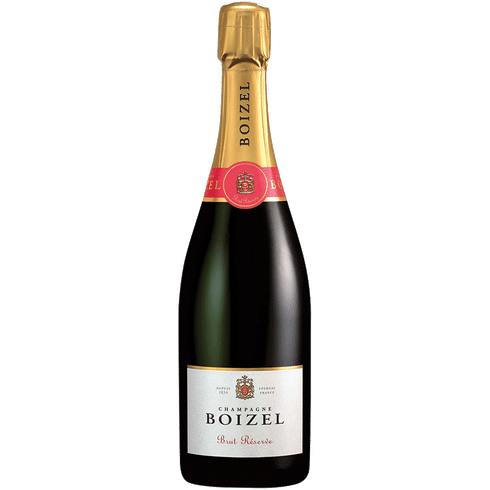
Boizel Brut Reserve
Original price was: $51.$45Current price is: $45.
Boizel Brut Reserve
Discover the elegance of Boizel Brut Reserve. This refined French champagne blends crisp apple, pear, and brioche notes with fine, lively bubbles. At 12% ABV, its balanced, refreshing finish is perfect for toasting special moments or pairing with delicate seafood dishes.
Boizel Brut Reserve Champagne: Your Guide to an Authentic Family-Owned Champagne
If you’re beginning to explore the world of Champagne beyond the big commercial names, you’ve made an excellent choice by considering Boizel Brut Reserve. This family-owned Champagne house represents the heart and soul of authentic Champagne production—offering quality, tradition, and excellent value that often surpasses more famous brands. This comprehensive guide will walk you through everything you need to know about Boizel Brut Reserve, from its fascinating family history to its versatile flavor profile and why it might become your new go-to celebration bubbly.
What is Boizel Brut Reserve Champagne?
Let’s start with the basics. Boizel Brut Reserve is the flagship non-vintage Champagne from Maison Boizel, a family-owned Champagne house founded in 1834 in Épernay, France. The “Brut Reserve” designation indicates this is their standard dry Champagne that incorporates reserve wines—older wines held back from previous vintages to ensure consistency and complexity year after year.
What makes Boizel Brut Reserve particularly special is its positioning as a “grower Champagne” style from an actual house. While large commercial Champagne producers often source grapes from hundreds of growers, Champagne Boizel Brut Reserve benefits from the family’s direct involvement in vineyard management and wine production. This hands-on approach results in a Champagne that expresses authentic terroir character while maintaining the house style consistency that Champagne lovers appreciate.
The Boizel Family Legacy
The story of Boizel Brut Reserve begins with Auguste Boizel, who founded the house with his wife, Julie, during the Champagne region’s golden age in the early 19th century. What’s remarkable is that through six generations, the house has remained family-owned and operated—a rarity in today’s Champagne landscape where many houses have been absorbed by large luxury conglomerates.
This continuity means that every bottle of Boizel Brut Reserve carries nearly two centuries of family wisdom and commitment to quality. The current generation still upholds the founding philosophy: “Quality above all, with patience and passion.” When you choose Boizel Brut Reserve, you’re not just buying Champagne—you’re buying into a legacy.
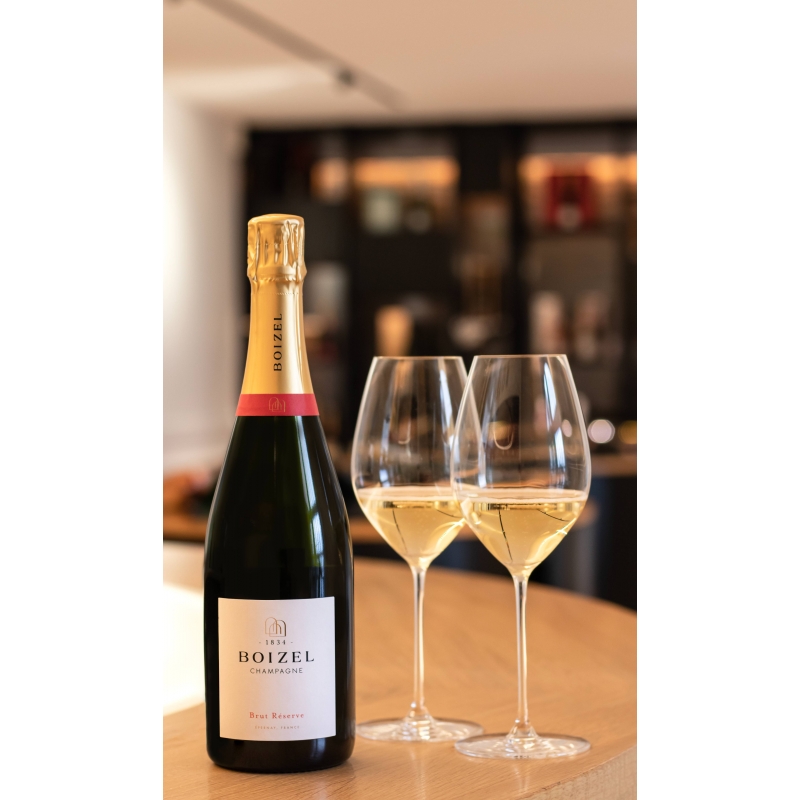
The Flavor Profile: What Does Boizel Brut Reserve Taste Like?
Understanding the tasting profile helps explain why Boizel Brut Reserve has developed such a loyal following among Champagne enthusiasts.
The Visual Experience
Before you even taste it, Boizel Brut Reserve presents beautifully:
-
Color: Bright golden yellow with subtle green reflections
-
Bubbles: Fine, persistent stream of tiny bubbles
-
Mousse: Creamy, elegant texture that isn’t too aggressive
The Aroma (The “Nose”)
The aromatic profile is complex yet approachable:
-
Fresh Fruits: Green apple, white peach, and citrus notes
-
Floral Elements: White flowers and acacia hints
-
Toasty Notes: Gentle brioche and fresh bread characteristics
-
Mineral Undertones: Subtle chalky notes from Champagne soils
The Flavor (The “Palate”)
The tasting experience showcases the house’s balanced approach:
-
Initial Brightness: Crisp green apple and citrus notes
-
Mid-palate Complexity: Developing notes of pear and stone fruits
-
Creamy Texture: Smooth mousse that feels luxurious
-
Balanced Acidity: Fresh but not sharp or aggressive
The Finish (The “Aftertaste”)
The conclusion is clean and satisfying:
-
Medium Length that doesn’t overstay its welcome
-
Clean and Refreshing with subtle mineral notes
-
Well-Balanced between fruit and dryness
Tasting Insight: What sets Boizel Brut Reserve apart is its remarkable balance. It’s neither too sharp nor too rich, making it incredibly versatile for different occasions and palates. The integration of reserve wines (typically 20-30% of the blend) provides a complexity usually found in more expensive Champagnes.
The Blend: Understanding What’s in Your Glass
The composition of Boizel Brut Reserve follows a traditional approach with some house-specific touches:
Grape Variety Breakdown
-
Pinot Noir (50%): Provides structure, body, and red fruit characteristics
-
Chardonnay (35%): Adds finesse, elegance, and mineral notes
-
Pinot Meunier (15%): Contributes fruitiness and approachability
The Reserve Wine Advantage
What makes Champagne Boizel Brut Reserve consistently good year after year is their use of reserve wines:
-
20-30% Reserve Wines: From previous vintages
-
Perpetual Reserve System: Some wines dating back 15+ years
-
Consistency Assurance: Maintains house style regardless of vintage variation
Why Choose Boizel Brut Reserve Champagne?
Several compelling reasons make this Champagne worth your attention:
Exceptional Quality-to-Price Ratio
Boizel Brut Reserve typically costs significantly less than famous house counterparts while offering comparable—and sometimes superior—quality. You’re paying for the wine inside the bottle rather than massive marketing budgets.
Family-Owned Authenticity
In an era of corporate Champagne, Boizel maintains:
-
Family Values: Six generations of direct involvement
-
Traditional Methods: Respect for Champagne heritage
-
Quality Focus: No compromise for mass production
Versatility
Boizel Brut Reserve works beautifully in multiple contexts:
-
Aperitif: Excellent on its own before meals
-
Food Pairing: Complements a wide range of dishes
-
Celebrations: Special enough for milestones
-
Everyday Enjoyment: Affordable enough for regular enjoyment
How to Serve and Enjoy Boizel Brut Reserve
This versatile Champagne deserves proper treatment to showcase its qualities:
Optimal Serving Conditions
Temperature Management:
-
Ideal Range: 8-10°C (46-50°F)
-
Chilling Time: 2-3 hours in refrigerator
-
Avoid: Over-chilling, which masks subtle aromas
Glassware Selection:
-
Traditional Flute: Preserves bubbles and concentrates aromas
-
Tulip Glass: Excellent compromise for aroma development
-
White Wine Glass: Becoming popular for better aroma experience
Food Pairings
Boizel Brut Reserve shines with various cuisines:
-
Seafood: Oysters, shrimp, grilled fish
-
Appetizers: Cheese puffs, bruschetta, smoked salmon
-
Main Courses: Roasted chicken, pasta with cream sauces
-
Cheeses: Soft cheeses like brie or camembert
The Production Process: Why It Matters
Understanding how Boizel Brut Reserve is made helps appreciate its quality:
Traditional Method
Boizel follows the méthode champenoise, which includes:
-
Primary Fermentation: Creating the base wines
-
Blending: Assembling the final cuvée
-
Secondary Fermentation: In the bottle for bubbles
-
Aging on Lees: Minimum 3 years for complexity
-
Riddling and Disgorgement: Removing sediment
Quality Control
The family’s hands-on approach ensures:
-
Selective Harvesting: Only optimal grapes are used
-
Gentle Pressing: Maximizing quality juice
-
Careful Blending: Maintaining house style consistency
-
Extended Aging: Beyond legal minimum requirements
Price and Value Analysis
One of Boizel Brut Reserve’s biggest advantages is its positioning in the market:
Typical Pricing
-
Standard Range: $45-65 for 750ml
-
Exceptional Value: Often outperforms Champagnes at higher price points
-
Consistent Pricing: Less affected by luxury market fluctuations
Value Comparison
When you choose Boizel Brut Reserve, you’re getting:
-
Family Heritage: Nearly 200 years of expertise
-
Quality Production: Traditional methods and extended aging
-
Authentic Character: True expression of Champagne terroir
-
Reasonable Markup: Paying for quality rather than marketing
Finding and Purchasing Boizel Brut Reserve
As a smaller house, finding Boizel Brut Reserve requires some knowledge:
Where to Look
Specialty Wine Shops:
-
Best selection and knowledgeable staff
-
Often can special order if not in stock
-
Proper storage conditions assured
Online Retailers:
-
Convenient price comparison
-
Direct shipping options
-
Wider selection of vintages
Wine Clubs and Subscriptions:
-
Sometimes featured in quality-focused clubs
-
Opportunity to try before buying multiple bottles
Smart Buying Tips
-
Check Recent Reviews: Quality remains consistently high
-
Compare Prices: Some variation between retailers
-
Consider Storage: Ensure proper Champagne storage conditions
-
Buy Multiple Bottles: Excellent for building a house Champagne supply
For authoritative information about Champagne production and regions, the official Comité Champagne website provides excellent educational resources.
Boizel Brut Reserve vs. Other Champagnes
Understanding where it fits in the broader Champagne landscape helps appreciation:
Compared to Large Houses
Boizel Brut Reserve offers:
-
More Character: Less mass-produced uniformity
-
Better Value: Similar quality at lower prices
-
Authentic Story: Real family history versus corporate ownership
Compared to Grower Champagnes
Boizel Brut Reserve provides:
-
Consistency: House style maintained year after year
-
Accessibility: Easier to find than many small growers
-
Approachability: Balanced style appealing to various palates
When to Choose Boizel Brut Reserve
Several scenarios make this Champagne the perfect choice:
For Champagne Beginners
-
Approachable Style: Not too extreme in any direction
-
Educational Value: Excellent example of quality Champagne
-
Affordable Exploration: Low-risk way to discover Champagne
For Regular Entertaining
-
Consistent Quality: Always delivers for guests
-
Impressive but Not Showy: Quality recognized by those who know
-
Versatile Pairing: Works with various foods and occasions
For Value-Conscious Enthusiasts
-
Quality Recognition: Often chosen by Champagne experts for personal consumption
-
Hidden Gem Status: Not yet discovered by the mass market
-
Reliable Performance: Never disappoints for the price
The Sustainability Angle
Modern consumers will appreciate Boizel’s commitment to:
-
Environmental Responsibility: Sustainable vineyard practices
-
Energy Efficiency: Modern facility reducing carbon footprint
-
Long-Term Vision: Family commitment to future generations
Boizel Brut Reserve Review: The Final Verdict
After examining all aspects of this excellent Champagne, here’s the essential assessment:
The Bottom Line: Boizel Brut Reserve represents everything that’s wonderful about family-owned Champagne houses—authenticity, quality, and outstanding value. It delivers a drinking experience that often surpasses Champagnes at twice its price point, making it both an excellent introduction for beginners and a reliable choice for experienced Champagne lovers.
Who Should Choose Boizel Brut Reserve:
-
Champagne beginners seeking quality introduction
-
Value-conscious consumers wanting maximum quality for money
-
Those who appreciate family-owned authenticity
-
Entertainers needing reliable, versatile Champagne
Might Disappoint Those Seeking:
-
Ultra-prestigious luxury brand recognition
-
Extreme, bold flavor profiles
-
Immediate availability in every supermarket
-
Heavy, oxidative Champagne styles
Boizel Brut Reserve succeeds by focusing on what matters most in Champagne: balance, quality, and drinkability. In a world of overpriced and over-marketed Champagnes, it remains a honest, well-crafted choice that consistently over-delivers for its price point.
Frequently Asked Questions (FAQ)
1. Is Boizel a good Champagne brand?
Yes, Boizel is an excellent Champagne brand, particularly for those seeking quality beyond the most famous names. As one of the older family-owned houses in Champagne (founded 1834), they maintain traditional quality standards while offering exceptional value compared to larger commercial brands.
2. How long can I age Boizel Brut Reserve?
While Boizel Brut Reserve is delicious upon release, it can develop nicely for 3-5 years in proper storage conditions. The reserve wine component gives it additional aging potential beyond many non-vintage Champagnes. However, it’s primarily designed for relatively early consumption while fresh and vibrant.
3. What’s the difference between Boizel Brut Reserve and their other Champagnes?
Boizel Brut Reserve is their flagship non-vintage Champagne, while they also produce vintage-dated Champagnes, rosé, and prestige cuvées. The Brut Reserve represents the core house style and offers the best value for everyday drinking and celebrations.
4. Is Boizel Brut Reserve good for mimosas or cocktails?
While you certainly could use it for cocktails, Boizel Brut Reserve has sufficient complexity and quality that it’s best enjoyed on its own or with food. For cocktails, you might prefer a less expensive sparkling wine and save your Boizel for sipping and savoring.
5. Where is Boizel Champagne produced?
Boizel is based in Épernay, in the heart of the Champagne region. Their facilities are located on the prestigious Avenue de Champagne, alongside many famous houses, but they maintain their family-owned identity and production methods despite their prestigious address.
Related products

Reviews
There are no reviews yet.