Uncategorized
What Is Bourbon? A Complete Guide for Beginners
Jan
What Is Bourbon? A Complete Guide for Beginners
Bourbon is a type of American whiskey, defined by a strict set of legal standards. By U.S. law, it must be made from a grain mixture (the mash bill) that is at least 51% corn, aged in new, charred oak containers, distilled to no more than 160 proof, entered into the barrel for aging at no more than 125 proof, and bottled at 80 proof or higher. Nothing else can be legally labeled as bourbon.
This iconic spirit is a cornerstone of American distilling heritage, celebrated for its sweet, robust, and complex flavor profile. If you’re new to whiskey, understanding bourbon is a perfect starting point for your journey.
What Is Bourbon? The Legal Definition Explained
Bourbon isn’t just a style; it’s a whiskey with a protected identity. To be called “straight bourbon,” it must adhere to additional rules, including aging for a minimum of two years. These regulations, established by the U.S. Congress in 1964, ensure consistency and quality.
Contrary to popular belief, bourbon does not have to be made in Kentucky. It can be produced anywhere in the United States. However, Kentucky’s unique geology—specifically its limestone-filtered, iron-free water—and climate provide ideal conditions, earning it the title of bourbon’s spiritual home.
The 6 Legal Requirements for Bourbon
By federal law (27 CFR § 5.22), a whiskey must meet all of the following criteria:
-
Mash Bill: Made from a grain mixture that is at least 51% corn.
-
Distillation: Distilled to no more than 160 proof (80% alcohol by volume).
-
Barreling: Aged in brand new, charred oak barrels.
-
Entry Proof: Placed into the barrel at no more than 125 proof (62.5% ABV).
-
Aging: No minimum aging requirement, except for “straight bourbon” (2+ years). If aged less than 4 years, the age must be stated on the label.
-
Bottling: Bottled at 80 proof (40% ABV) or higher.
Failure to meet any one of these standards means the product cannot be legally labeled as bourbon in the United States.
How Is Bourbon Made? The Production Process
The journey from grain to glass is a meticulous one. Understanding the steps reveals why bourbon tastes the way it does.
1. The Mash Bill: Building the Flavor Foundation
The mash bill is the recipe of grains. While corn (51%+) provides the required sweetness, distillers add other grains for complexity:
-
Rye: Adds spicy, peppery notes.
-
Wheat: Creates a softer, smoother, rounder profile.
-
Malted Barley: Primarily supplies enzymes for fermentation but can add nutty, cereal-like flavors.
A “high-rye” bourbon mash bill might contain 15-35% rye, while a “wheated” bourbon replaces the rye with wheat.
2. Distillation and The “White Dog”
The fermented mash (or “beer”) is distilled, typically in column stills, to produce a clear, high-proof spirit known as “white dog” or “new make.” This spirit is sharp and grain-forward. All of bourbon’s color and the majority of its flavor come from the barrel.
3. The Barrel: Where Magic Happens
The new charred oak barrel is non-negotiable. The charring process (level 3 or 4 is common) caramelizes the wood’s sugars and creates a porous layer that filters the spirit.
-
The spirit expands into the wood’s pores during hot summers, extracting compounds like vanillin, lignin, and tannins.
-
It contracts during cold winters, pulling those flavors back in, now enriched with color and character.
-
This interaction mellows the harsh “white dog” and creates the vanilla, caramel, spice, and oak notes bourbon is famous for.
4. Aging and The Angel’s Share
As bourbon ages in rickhouses, a portion evaporates each year—romantically called the “angel’s share.” This loss, often 2-5% annually, concentrates the remaining spirit’s flavor.
What Does Bourbon Taste Like? A Beginner’s Tasting Guide
Bourbon’s flavor profile is generally sweeter and fuller-bodied than other whiskeys. Here’s what to look for when you taste:
Common Bourbon Tasting Notes:
-
Sweetness: Caramel, vanilla, honey, butterscotch, maple syrup.
-
Fruit: Dark cherry, dried apricot, orange peel, apple.
-
Spice: Baking spice (cinnamon, nutmeg), black pepper, rye spice.
-
Oak/Wood: Char, smoke, tobacco, leather, dark chocolate.
-
Grain: Toasted cornbread, cereal, nuts.
How to Taste Bourbon (Neat):
-
Look: Observe its color in the glass. Deeper amber or russet hues often suggest longer aging or a heavier char.
-
Nose: Gently swirl and smell. Identify 2-3 specific aromas from the list above. Avoid inhaling directly—keep your mouth slightly open.
-
Taste: Take a small sip. Let it coat your palate. Note the initial flavors, then the evolving ones (the “development”).
-
Finish: Swallow and notice how long the flavor lingers. A long, warm, pleasant finish is a sign of a well-made bourbon.
Bourbon vs. Other Whiskeys: Key Differences
Many beginners confuse bourbon with other brown spirits. Here’s how it stands apart.
Bourbon vs. Scotch Whisky
-
Origin: Bourbon is American; Scotch is from Scotland.
-
Grain: Bourbon is corn-based; Scotch is primarily malted barley.
-
Barrels: Bourbon uses new charred oak; Scotch uses used barrels (often ex-bourbon or sherry casks).
-
Profile: Bourbon is sweeter, vanilla-forward; Scotch often has more smoke, peat, and fruitcake notes.
Bourbon vs. Tennessee Whiskey
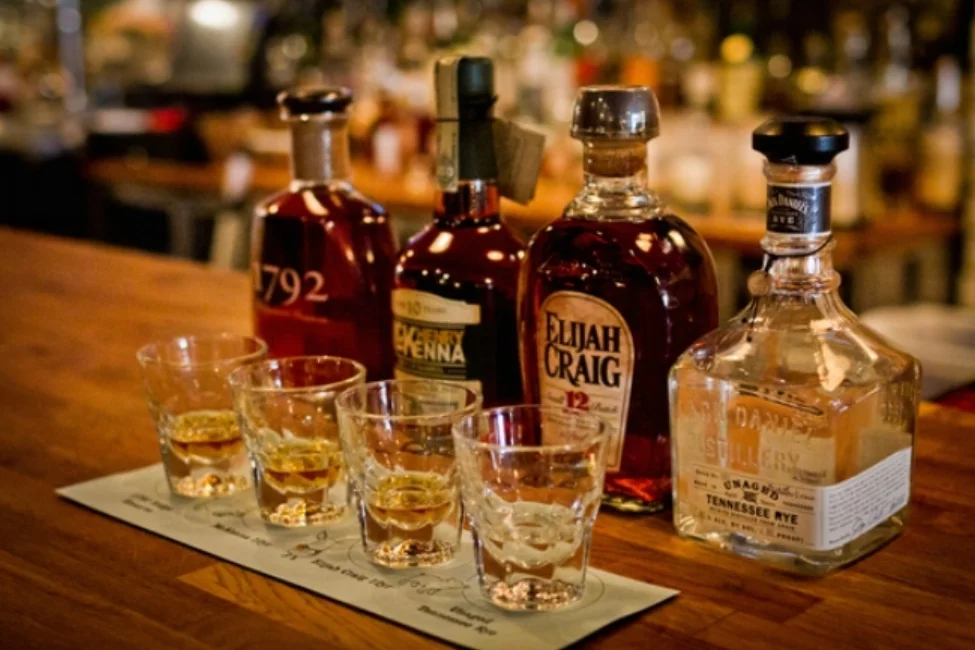
This is a common point of confusion. All Tennessee Whiskey (like Jack Daniel’s) meets the legal definition of bourbon. However, it undergoes an extra, non-mandatory step called the Lincoln County Process, where the spirit is filtered through sugar maple charcoal before barreling. This imparts a distinctive smooth, mellow character.
Bourbon vs. Rye Whiskey
The difference is in the mash bill. Rye whiskey must be made from at least 51% rye grain, making it spicier, drier, and less sweet than corn-based bourbon.
How to Choose Your First Bottle of Bourbon
Navigating the shelf can be overwhelming. Start with these accessible, widely praised styles.
For Absolute Beginners:
-
Wheated Bourbon: Softer and sweeter. Look for Maker’s Mark or Larceny. Expect flavors of caramel, wheat bread, and light fruit.
-
Standard Bourbon: Balanced and versatile. Buffalo Trace or Evan Williams Bottled-in-Bond are excellent values. They offer classic vanilla, oak, and toffee notes.
For Beginners Ready to Explore:
-
High-Rye Bourbon: Adds a spicy kick. Try Bulleit Bourbon or Four Roses Yellow Label. You’ll taste sweet caramel layered with peppery rye spice.
-
Bottled-in-Bond: A quality guarantee meaning it’s at least 4 years old, 100 proof, and the product of one distilling season and one distillery. Old Grand-Dad Bonded is a classic example, offering robust, full flavor.
Quick Summary: Key Takeaways
-
Bourbon is a strictly defined American whiskey made from ≥51% corn and aged in new, charred oak barrels.
-
It does not have to be from Kentucky, though most of it is.
-
Its signature sweet, vanilla, and oak flavors come primarily from the new oak barrel.
-
All Tennessee Whiskey is bourbon, plus an extra charcoal filtering step.
-
Bourbon is distinct from Scotch (barley, used barrels) and Rye Whiskey (rye-forward mash bill).
-
Start your tasting journey with a wheated or standard bourbon to appreciate the classic profile.
Frequently Asked Questions (FAQ)
Does bourbon have to be made in Kentucky?
No. Bourbon can be legally produced anywhere in the United States. Kentucky is famous for its ideal natural conditions and historical tradition, but excellent bourbon is made in states like Tennessee, Indiana, New York, and Texas.
How long does bourbon need to age?
There is no minimum aging period for basic “bourbon.” However, to be labeled as “straight bourbon,” it must be aged for at least two years. If it is aged for less than four years, the age must be stated on the label.
What does “small batch” or “single barrel” mean?
These are marketing terms, not legal definitions. “Single Barrel“ means the bottle’s contents came from one individual barrel, leading to unique variations. “Small Batch“ implies a blend of a select number of barrels, aiming for a consistent flavor profile.
Should you add water or ice to bourbon?
This is personal preference. Adding a few drops of water can “open up” the bourbon, releasing more aromas and softening the alcohol bite. Ice will chill and dilute it, which can make it more approachable but also mute some flavors. Try it neat first, then experiment.
What foods pair well with bourbon?
Bourbon’s sweetness and spice complement rich, savory, and sweet dishes. Try it with grilled meats, barbecue, dark chocolate, pecan pie, or sharp cheeses like aged cheddar.
Can bourbon go bad?
An unopened bottle can last for decades if stored upright in a cool, dark place. Once opened, oxidation slowly occurs. For optimal flavor, it’s best consumed within 1-2 years. The flavor will gradually degrade, but it will not “spoil” in a harmful way.
Bourbon is more than a drink; it’s a story in a glass—a tale of American history, agricultural tradition, and meticulous craftsmanship. From the sweet scent of the mash to the deep amber hue from years in oak, every step is governed by tradition and law to ensure a spirit of remarkable character. Whether you’re savoring it neat, on the rocks, or in a classic cocktail like an Old Fashioned, understanding these fundamentals enriches the experience.
Start with a recommended bottle, pour a modest amount, and take your time. Let your palate explore the layers of sweetness, spice, and oak. Your journey into the world of bourbon, with its deep heritage and welcoming community, has just begun. Cheers.
